
Four Lessons Black Communities Can Learn From the Alliance of Sahel States

What’s in this Issue
This Week’s Note
From My Desk - Happenings from my world
Recommended - Check out what’s on my radar
Looking Ahead - Upcoming Events & Masterclass
Black Americans are under direct attack. Full stop. We told you that when they beefed up their ridculous immigation talking points and started building ICE.
So what does this have to do with the AES? In the words of Charlamagne…Let’s discuss.
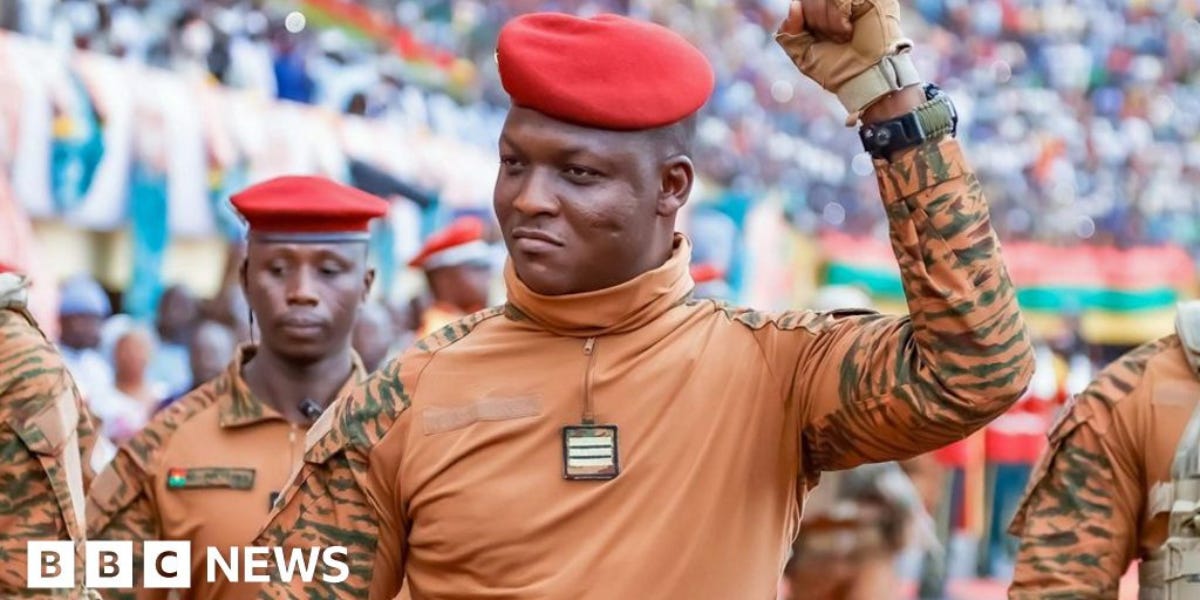
The Sahel Alliance is building despite massive pressure and a lack of external support. As Black communities navigate our own moment of intensifying pressure, there are concrete lessons embedded in what Mali, Burkina Faso, and Niger are doing. Lessons about consolidation, diversification, persistence, and narrative control. These lessons aren’t new. They’re rooted in our own history. Fred Hampton and the Rainbow Coalition were building the same model fifty years ago. Understanding why consolidation works, and why it’s been systematically dismantled, is essential to what we need to build now.
Lesson One: Consolidate When Pressure Intensifies
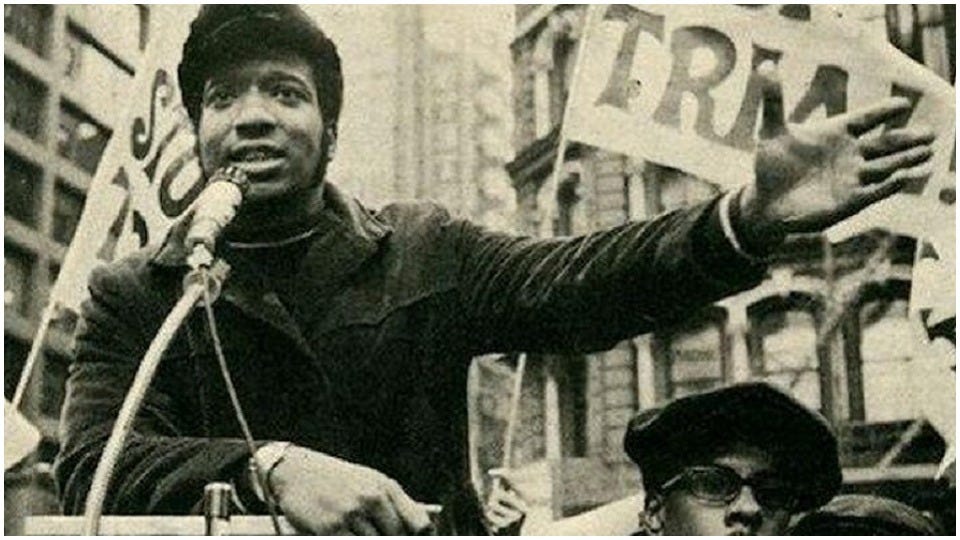
The AES model isn’t new. It’s what Fred Hampton was building in the late sixties with the Rainbow Coalition — a deliberate consolidation of Black Panthers, Young Lords, poor whites, and other groups across racial and ideological lines. Hampton understood that fragmentation keeps movements weak. Unity makes them dangerous.
Which is exactly why he was killed.
The government didn’t move against Hampton because he was running a breakfast program or community patrols. They moved against him because he was consolidating power across communities. COINTELPRO targeted him specifically because consolidation — real, operational consolidation — is the threat that systems can’t tolerate.
When ECOWAS threatened military intervention against the AES countries, the response wasn’t fragmentation or backpedaling. It was the opposite: Mali, Burkina Faso, and Niger moved closer together. They formalized their confederation. They built a unified military force. They announced joint operations and that external pressure became the catalyst for internal alignment.
The AES is doing what Hampton was doing. They’re consolidating. They’re refusing to splinter under pressure. And the pressure intensifies because consolidation works.
For Black communities today, this isn’t theoretical. We have a documented playbook of what happens when we consolidate. Hampton showed us. The FBI showed us what they do when consolidation becomes real. So the question isn’t whether consolidation is powerful because history already proves it is. The question is whether we’re willing to build it knowing the cost, and whether we’re prepared for the response when we do.
Lesson Two: Diversify Your Dependencies
The Rainbow Coalition failed partly because it relied too heavily on one charismatic leader — Fred Hampton. When he was assassinated, the consolidation fractured. The movement didn’t have the infrastructure to survive the removal of one person no matter how powerful it was.
The G5 Sahel made a similar mistake with a dependency on France. When France’s interests shifted, the whole structure collapsed.
The AES learned.
They didn’t rebuild around one leader or one partner. They diversified across Russia, Turkey, and China building institutional frameworks.
For Black communities, we’ve been trained to follow individual leaders. We celebrate charismatic figures… the preacher, the politician, the activist…the capitalist (another story for another day) and build our movements around them. That’s a vulnerability because we know when that person is removed, co-opted, or compromised, everything collapses. What the AES shows is different: build institutions, not personalities. Build economic systems, not dependent relationships. Build distributed leadership, not centralized power. The Rainbow Coalition had the right idea about consolidation, but it lacked the institutional redundancy to survive attack. We need to learn that lesson. Consolidate, yes. But consolidate around systems, not people.
Lesson Three: Build While Under Attack
Fred Hampton didn’t wait for permission or perfect conditions. He was building free breakfast programs, free health clinics, political education, and armed self-defense while being surveilled, infiltrated, and targeted. The system was already moving against him.
He built anyway.
The AES is doing the same. They’re formalizing military structures, launching broadcasters, announcing economic initiatives…all while facing military attacks, diplomatic isolation, and coordinated pressure from multiple powers. They’re not waiting for things to calm down. They’re accelerating.
In April 2026, Mali faced coordinated military attacks. Jihadist groups launched strikes across the country. The response from the Mali government and the AES wasn’t to pause and defend. It was to accelerate. They formally launched their unified military force. They scaled up troop commitments. They kept building.
For Black communities we often frame our work as “when things get better, then we’ll build.” But things won’t get better on their own. The pressure will increase. The attacks will intensify. We are living this right now. Building under these conditions is the work. Hampton showed us that you don’t pause your community infrastructure because the state is moving against you — you deepen it. You make it so essential to daily survival that removing it becomes impossible. That’s what we need to be constructing now. Not waiting for safety. Not trying to protect our gains, but building into the pressure.
Lesson Four: Control Your Narrative
Fred Hampton was a media figure, but he didn’t control the media about himself. The newspapers, the radio, the official channels — they all told a story about him that served the state’s interest. Dangerous radical and a threat to order. This became justification for his murder.
In December 2025, the AES launched AES TV — a dedicated regional broadcaster. The stated purpose was direct: to break disinformation campaigns and hostile narratives targeting the three states. They understood that military and economic moves mean nothing if the story being told about you is controlled by your adversaries.
For Black communities this is where we’ve lost ground consistently. Our story gets told by people who profit from our subordination. The media narrative about Black communities, about our capacity, about our intelligence, about our potential is controlled by systems that benefit from our limitation. Hampton understood this. He was building alternative communication infrastructure. The AES understands it now. They’re doing it. We need to treat narrative control not as a “nice to have” but as infrastructure. Your own media. Your own historical framing. Your own educational narratives. While we are seeing the rise of Black Media, it’s not supported enough to scale. Channels like IHIP, TYT, Brian Tyler Cohen, and the Midas Touch Network are all scaling faster than Black media, and use a democratic/liberal leaning stance rather than tell the story of Black communities.


The Sahel Alliance and Fred Hampton’s Rainbow Coalition are separated by continents and decades, but they’re teaching the same lesson: consolidation is power, and power is a threat to systems built on fragmentation. The AES is showing us in real time what Hampton died trying to build — a model where communities refuse to splinter under pressure, where dependencies are diversified so removal of any single element doesn’t collapse the whole structure, where building continues even under attack, and where the narrative about the future is controlled by those building it.
We have the blueprint. The question now is whether we’re willing to pay the cost of building it. Hampton paid. The AES is paying.
What is the cost if we don’t build? Leave me a comment.
This Thursday at 3PM EST, join me for the Deep Dive Five — a live session exclusively for paid subscribers where we go deep on five topics impacting us right now in business, leadership, and global politics. This is where the real conversation happens.
Not a paid subscriber yet? Now is the time.

This week I celebrated Mother's Day with my sister, mother, and family.
I also stopped by the Retreat by TGS to grab my copy of Tiffany Cross's new book — highly recommend the visit if you haven't been.
And I've officially started learning past tense verbs in Spanish. Goal is conversational level by end of year. We'll see.



I also recently joined the Profit Formula podcast. Give it a listen:
I also came across a dope affirmation video that I immediately shared with my friends — and now I’m passing it along to you! Worth the watch:

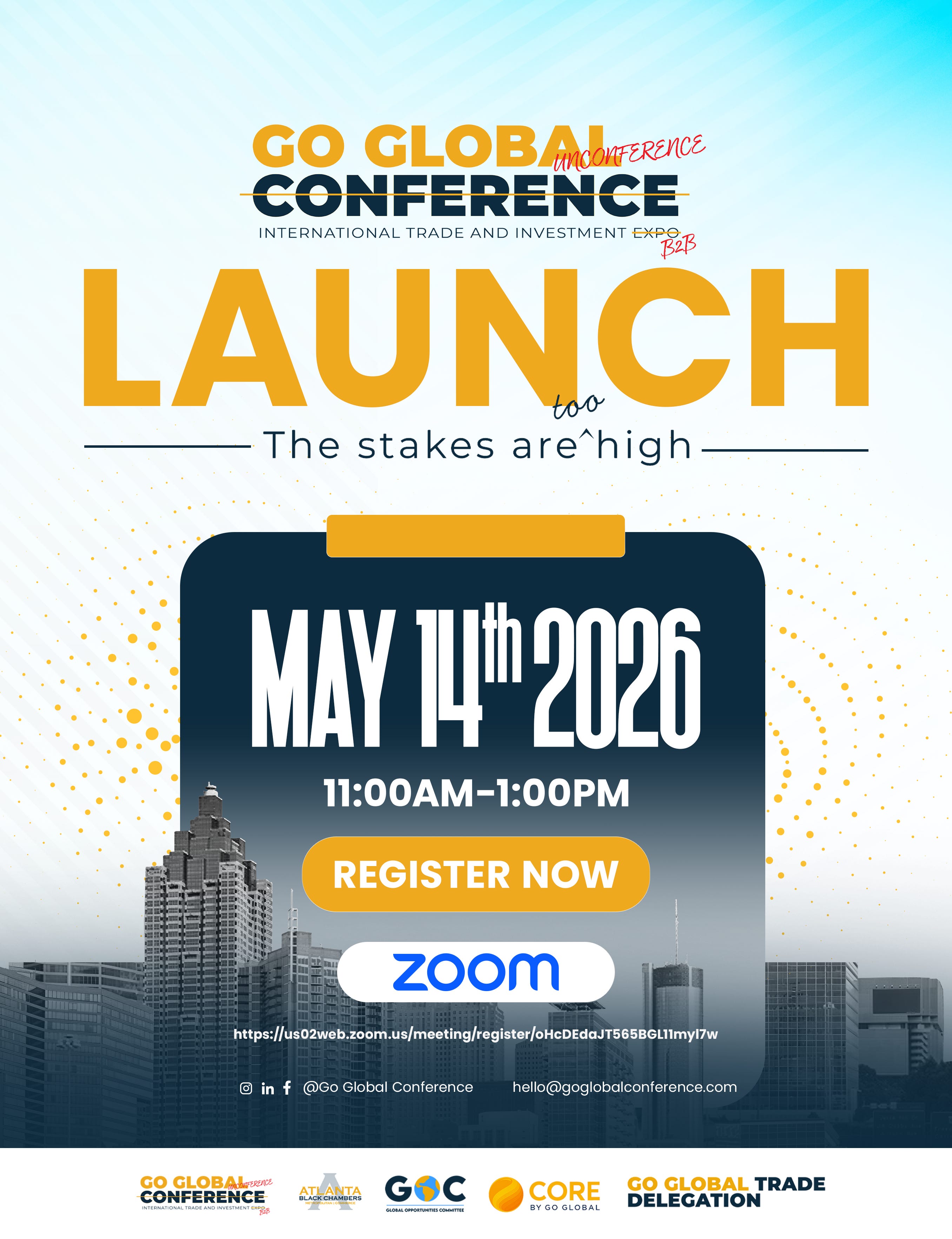
Go Global Conference Launch — This Thursday Get the first look at the 2026 “Unconference” strategy, learn how to tap into upcoming trade delegations, and see exactly how you can participate in the International Trade and Investment Expo this September. Register here
EDABC Economic Opportunity Tour — June, Denver Join us in Lakewood, Colorado — one of the Denver metro's most active urban renewal corridors — for a curated look at small business and development opportunities in a market that's actively being reshaped.. Register here
B.E.S.T. Summit June 11th in Denver, Colorado I’m excited to join this dynamic panel: Reparative Justice & the National Black Agenda: Strategy, Skepticism & the Road Ahead. The B.E.S.T. Blackout Experience is where connection meets opportunity. This high-energy, four-day series of events brings together leaders, entrepreneurs, professionals, and community advocates for golf, powerful conversations, strategic networking, and experiences designed to spark collaboration and real economic impact. Learn more
I’m Jice. I work with leaders, founders, and organizations who are serious about understanding the world they’re actually operating in — not the one they wish existed. Business strategy, leadership development, and geopolitics aren’t separate conversations in my work. They’re the same one.
If you’re building something and need a thinking partner who will tell you the truth, let’s connect. Or explore advisory and consulting work with me directly. Either way, keep reading — there’s more coming.